

Japanese elderly care is in dire need of more workers, and it has been known for quite some time that
the growing elderly population is placing an increasing burden on the economic mechanics of the
Japanese welfare structure. Government initiatives are abundant, and technological development is a
central tenet of current Prime Minister Abe’s policy objectives, although technological innovations can
take many different shapes. These technologies frequently differ significantly in practical functionality,
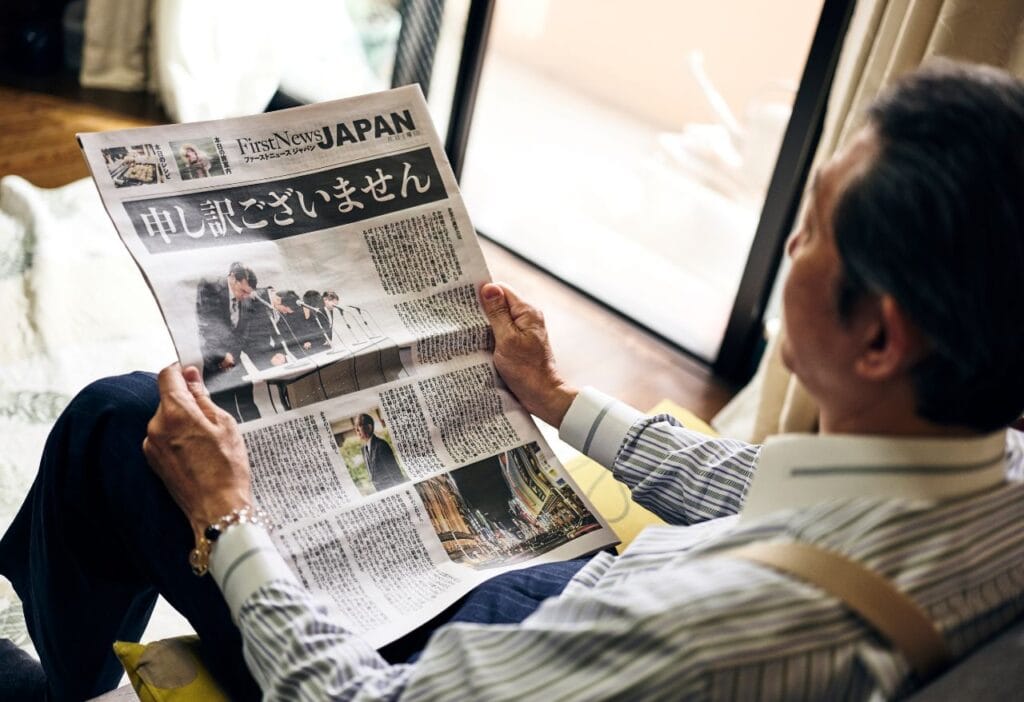
and the innovations presented to readers in white papers and policy documents clearly symbolize technology as grand solutions for pressing social problems. Japanese print media also reflect this idealistic imagination, yet do not necessarily regurgitate the ‘positive image’ the government is putting forward. Hurdles such as high prices are addressed consistently when covering care technologies. Newspapers are thus at the crossroads of attempting to portray the idealism of innovation promoted in official discourse versus the practical application of technology and its market realities. This idealistic perspective is, to an extent, echoed in English and Dutch language media.
This report offers a descriptive analysis that functions as a so-called ‘reality check’, showing
that, in fact, Japanese newspapers offer a more complex representation of domestic care technology than the biased perspective we glean from Dutch and English-language media. Although the content does frame the potential benefits of such technologies in a positive manner, domestic discourse includes obstacles such as high prices and problems with distribution and implementation.